Columbia drivers expect refinement, not compromises. Whether you guide a GLE down Devine Street or thread a 4Runner along Bluff Road before sunrise, a quiet cabin and a confident lane line are nonnegotiable. Modern windshields are more than glass, though. They anchor the camera and radar systems that read the road. After any windshield replacement Columbia motorists undertake, calibration and a disciplined road test make the difference between a drive that feels precise and one that nags with uncertainty.
I have spent years in auto glass bays and on test loops around Forest Acres, Five Points, and I-26, sorting out vehicles that behaved beautifully on paper but told a different story once rubber met asphalt. The best auto glass shop in Columbia understands this gap. A windshield job is only finished when the vehicle proves it on the road.
What calibration does, and why glass matters
Advanced driver assistance systems rely on a camera that looks through the windshield, often at a very specific height and angle. Slight changes in glass thickness, curvature, or mounting position shift the camera’s view in ways the software does not expect. A one-degree tilt can move the lane model inches to either side at 100 feet. That shifts lane departure warnings, adaptive cruise behavior, and even emergency braking timing.
Most vehicles that cross my floor require static calibration, dynamic calibration, or both. Static calibration uses targets positioned in front of the car in a controlled space. The vehicle learns where straight ahead lives with exact measurements. Dynamic calibration teaches the same system with motion data on a road drive, typically at steady speeds with clear lane lines. The manufacturer decides what your car needs. Some Audi and Toyota models want both. Many Fords and Hyundais lean dynamic. Subaru, Honda, and Lexus have specific target board distances down to the millimeter. If a shop performing windshield calibration Columbia drivers depend on cannot explain which method your model needs and why, keep walking.
Glass quality is not a rounding error. OEM or OEM-equivalent glass matches the optical properties and curvature the camera expects. Aftermarket glass ranges from excellent to stubborn. I have seen low-cost glass that forced multiple target realignments only to pass, then later produce ghost lane warnings on a rainy night down the Saluda. When cost and safety collide, I advise asking the shop which glass they are installing and whether the calibration pass rate differs by brand. A reputable team will answer with data, not marketing.
Columbia specifics that can help or hurt a road test
Our city is a convenient proving ground if you know where to go. For dynamic calibration and post-replacement road testing, sightlines and paint quality on the road surface matter just as much as the technician’s laptop readouts.
Broad River Road offers stretches with clean lane markings outside peak traffic. I-77 near Fort Jackson provides consistent speed and unobstructed views, ideal for vehicles that require a continuous drive at 40 to 65 mph to complete calibration. Neighborhoods with fresh repaving around Forest Acres can be perfect for confirming low-speed camera handoff near intersections. Downtown segments with mature tree cover can confuse a camera that has not fully recalibrated, especially when dappled shadows mimic lane breaks. Save that for later in the test procedure.
Rain is your wild card. Columbia storms rise fast and hard. Some dynamic calibrations require dry pavement with visible line contrast. If your schedule involves mobile auto glass repair Columbia roads during summer, the shop should warn you that calibration may need to be finished the following morning when the asphalt dries and the cameras can classify paint edges correctly.
How the best shops structure the work
In a well-run bay, I like to see technicians measure. They should check pinch weld straightness, record vehicle height on level ground, and verify that the camera bracket sits flush with no yaw. Good shops use digital inclinometers on the camera mount to confirm angle within fraction-of-a-degree tolerances. Static targets get leveled and squared against the car’s thrust line, not just eyeballed off the bumper.
Before the first drive, a professional will scan for diagnostic trouble codes, document windshield chip repair history if relevant to the camera area, and note any ADAS faults that predated the glass hit. A cracked windshield is often the headline, yet I regularly find one or two unrelated soft faults in the log. Clearing everything, then seeing what returns after calibration, avoids chasing ghosts.
A shop that offers same day auto glass Columbia residents rely on will still set aside the right time block. A full replacement with calibration can land between 90 minutes and three hours, depending on adhesive cure requirements and the complexity of the static setup. If they claim it will be done in 30 minutes on a 2022 vehicle with lane centering and traffic sign recognition, that is optimism, not a plan.
The road test that reveals what a static check cannot
Once the software declares calibration complete, the car still needs to prove itself outside. Columbia’s varied roads let us build a layered test that uncovers misalignment early.
Begin with a short, low-speed shakedown to confirm there are no rattles, wind noise from the molding, or streaks from the wipers across the camera view. A properly seated windshield will feel silent even at 35 mph along Millwood Avenue. If you hear a high-pitched whistle at 30 to 40 mph, a trim piece likely needs a nudge.
The main loop should then include straight, well-marked lanes that let the camera track easily. An eight to ten minute segment at 45 to 60 mph typically satisfies dynamic calibration for many models. During this stretch, keep the steering input light and steady. The system wants clean data, not a driver weaving around potholes.
Once the vehicle says it is ready, we move to real-world checks. I like to run a stretch with gentle curves around the Vista, then a section of I-26 where trucks propagate turbulence. If lane keeping or adaptive cruise changes behavior oddly when the air gets busy around the car, the camera could be slightly off axis.
Finish with an urban section that includes stoplights, faded markings, and oncoming headlight glare if the test lands near dusk. Some systems pass the lab test yet drift under uneven light, showing small camera aim issues that only emerge when the sun beats down at certain angles. In Columbia’s late afternoon, Interstate glare can be brutal. Check it before handing back the keys.
Subtle clues your car gives when calibration is off
Drivers report a few consistent tells when the windshield camera is misaligned by even a small amount. If I had to pick the three I trust most, it would be these: the steering wheel nudges you away from the center when lane keeping engages, the car warns of lane departure a fraction late on one side, and adaptive cruise slows more than it should behind a vehicle in your lane while ignoring a closer car in the next lane.
On the instrument panel, look for lane icons flickering on straight roads with fresh paint. A stable calibration shows solid lines. Flicker means the camera is losing confidence. Traffic sign recognition can also expose angle issues. If it reads the speed limit sign for the frontage road rather than the highway you occupy, you may have a yaw misalignment.
Emergency braking should not trigger on shadow transitions or overpasses. If it does, stop driving and return to the shop. That is not the sort of problem to ride out.
Handling insurance and scope of work
Insurance auto glass repair Columbia policies often cover calibration when it is required by the manufacturer, which is the norm for late-model cars. What differs is how the claim routes. Some carriers want you in their network. Others will reimburse out of network if the shop documents pre-scan, post-scan, calibration reports, and the road test notes. If your car needs both static and dynamic calibration, ask the estimator to note both on the work order and invoice. It avoids argument later.
If the damage extends beyond the windshield to a side window or rear glass, the process changes. Rear windshield replacement Columbia jobs seldom involve camera recalibration, though they might if a radar module or driver monitoring sensor lives near that glass in your particular model. Car window replacement Columbia services, especially for front doors, matter for cameras only when the hardware sits on or near the A-pillar trim. Your technician should know where your sensors live. If they do not, request a vehicle-specific ADAS component map before proceeding.
When mobile service works, and when it doesn’t
Mobile auto glass repair Columbia customers appreciate the convenience, and for chips and straightforward windshield chip repair Columbia roads deliver daily, a mobile van with a trained tech is ideal. For full replacement with calibration, the choice depends on the vehicle and the venue. Static calibration calls for target boards, measured floor space, and level ground. A driveway on a slope, a garage with clutter, or a windy day that stirs the targets can degrade accuracy.
If your vehicle demands dynamic calibration only, a mobile tech can complete the job with a careful route plan, provided the area offers suitable roads and weather. I lean shop-side for vehicles with multi-camera arrays, night vision assists, or brands with strict target layout procedures. It is not that mobile cannot do it, it is that environmental control shortens the path to a precise outcome.
Adhesives, cure times, and when you can drive
The safest glass work respects chemistry. Urethane adhesives have safe drive-away times tied to temperature, humidity, and the specific product. Most premium urethanes set within 30 to 90 minutes in Columbia’s climate, but colder mornings or heavy rain stretch that window. Do not let anyone calibrate a car that has not reached safe drive readiness. Calibration relies on the glass staying exactly where it was measured. If you drive off early, you may shift the position slightly as the urethane continues to cure, and the camera’s learned position becomes yesterday’s truth.
Quality shops tag the car with a safe drive time before it leaves the bay. If you see a range rather than a precise minute mark, that is often a sign of honest accounting for ambient conditions, which change by the hour here.
A brief story from the test loop
A client brought in a late-model Range Rover after a stone strike on I-20. The glass was high quality, the install clean, static calibration perfect on paper. On the road, the car would nudge left whenever lane centering kicked in, subtle at first then unnerving on a long curve. We reran the targets, found nothing wrong. The culprit turned out to be a minor tolerance stack between the camera bracket and the new glass, well inside spec, but enough that the dynamic calibration needed a longer, steadier learning drive. We built a route on I-77 that held 60 mph for twelve uninterrupted minutes. The system settled, the steering assist behavior normalized, and the owner left confident. The lesson travels: some cars need a little more distance in clean conditions to truly learn their new sightline.
How to pick the right partner in Columbia
If you are scanning options for auto glass repair Columbia services, ask pointed questions. Who performs the calibration, and on what equipment? Do they document pre- and post-calibration values? Will they accompany you on the road test if you notice odd behavior? What is their rework policy if the car flags ADAS faults a day later?
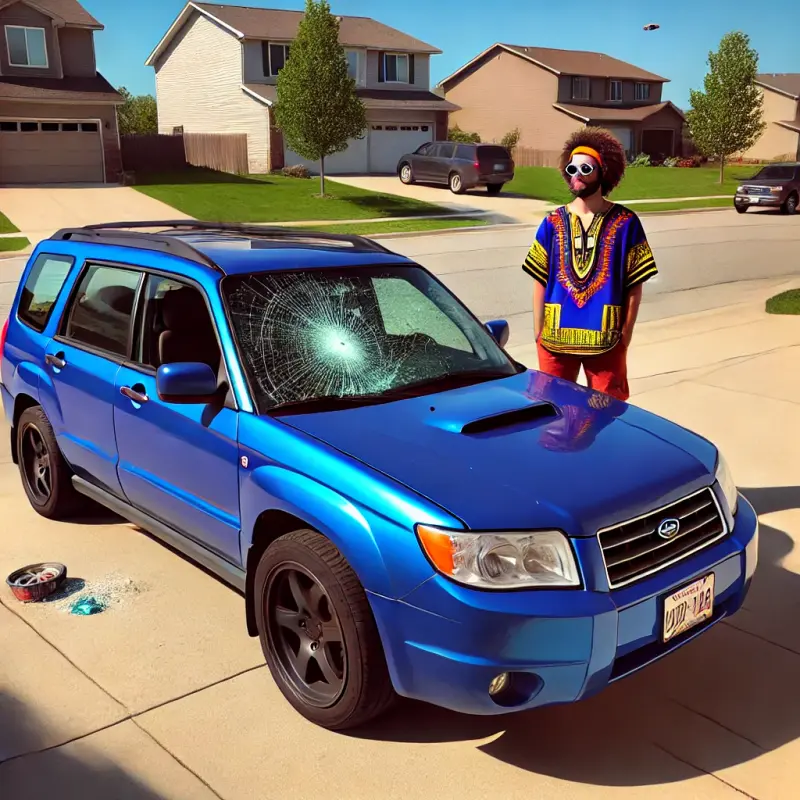
The best auto glass shop in Columbia will not hesitate. They will show their targets, their torque specs, their adhesive MSDS, and a calibration report with time stamps. They will log dynamic calibration completion in the scan tool and keep that record with your invoice. They will schedule the job with room for a road test rather than rush at closing time. Polite confidence and methodical process beat a low price every day.
Practical post-replacement road test routine for owners
A careful owner can verify the result without turning into a technician. Use a single, simple loop with predictable conditions. The goal is not to trick the system, it is to confirm stability.
- Start on a calm street at 25 to 35 mph. Listen for wind noise, feel for steering straightness, and check the wipers for clean clears across the camera area. Move to a divided road at 45 to 55 mph with fresh lane paint. Engage lane keeping or adaptive cruise as your vehicle allows. Look for steady lane icons and smooth corrections. Add a brief highway segment at 60 to 65 mph. Confirm that following distance holds as set and that the car does not hug one side of the lane. If safe, test mild curves and a lane change with signals. The camera should track confidently without late warnings. End with two or three full stops from city speeds. Ensure no phantom forward collision warnings trigger.
If anything feels inconsistent, return promptly. A reputable shop will appreciate the early feedback and make it right.
When things are not simple: edge cases and trade-offs
There are vehicles with heated wiper park areas that create a slight optical ripple along the bottom edge of the glass. If the camera sits low, that ripple can confuse sign recognition at certain heights. Installing OEM glass usually avoids the issue, but I have seen aftermarket panels that require nudging the calibration zone to stay clear of the ripple. It is solvable, but it takes awareness.
Tint brow bands can also intrude into the camera’s view. If you are eager to add tint after a replacement, ask your shop which zones must remain clear. A small strip placed too low can derail the detection grid.
Off-road suspensions or windshield chip repair Columbia SC modified ride heights change the camera aim relative to the road. If you lifted your truck, recalibrate after the lift, not before, and tell the technician your new measurements. Otherwise, the camera will read a future that sits lower than reality, and your emergency braking thresholds shift in an unhelpful way.
Winter mornings in Columbia bring fog along the rivers. Cameras that just completed dynamic calibration the previous day can lose lane confidence in fog thicker than a quarter mile. That is normal. Systems step back when the world goes gray. It is not a calibration failure, but it is a reminder that driver assistance is a partnership, not a guarantee.
A quick word on chips and small repairs
Windshield chip repair Columbia services can save a factory calibration by keeping the original glass in place. If a chip sits outside the camera’s field of view and the repair cures clear, no recalibration is normally required. If the chip intrudes where the camera looks, even a clean repair can scatter light. In that case, the car may still track lanes, but sign recognition and some vision tasks can degrade. A shop with experience will evaluate chip position relative to the camera footprint. Preserving OEM glass is ideal, but not at the expense of sensor performance.
Why same-day convenience still needs patience
You can absolutely pair same day auto glass Columbia convenience with meticulous calibration, but not if you stack the schedule to the minute. Glass needs its cure, calibration needs its loops, and your safety systems deserve a proper check. Shops that build a little slack into their day tend to produce cars that behave like they did before the rock found your windshield.
There is luxury in that quiet certainty. You turn the wheel, the car flows where you intend, and the assistants stay helpful in the background. The right partner makes it feel effortless, though the craft behind it is anything but.
Final guidance for a confident handover
When you pick up the vehicle, ask to see three things: the calibration report with pass indicators for your camera modules, the pre- and post-scan fault code list with time stamps, and the safe drive-away time based on the adhesive used. If your insurance is involved, make sure the paperwork reflects both the windshield replacement Columbia procedure and the calibration labor separately. If a road test revealed adjustments, ask for a brief note of what was found and how it was addressed.
Columbia roads will test any rushed job within a day. Sun glare on I-26, quick squalls off the Congaree, and traffic that oscillates between leisurely and impatient make for honest feedback. With the right glass, the right calibration, and a road test that respects both, your car will meet every one of those challenges with quiet composure.
And when the next stone jumps, as they always do, you will know exactly which door to open and which questions to ask. That confidence is worth as much as the glass itself.